Centrifuge & circulation
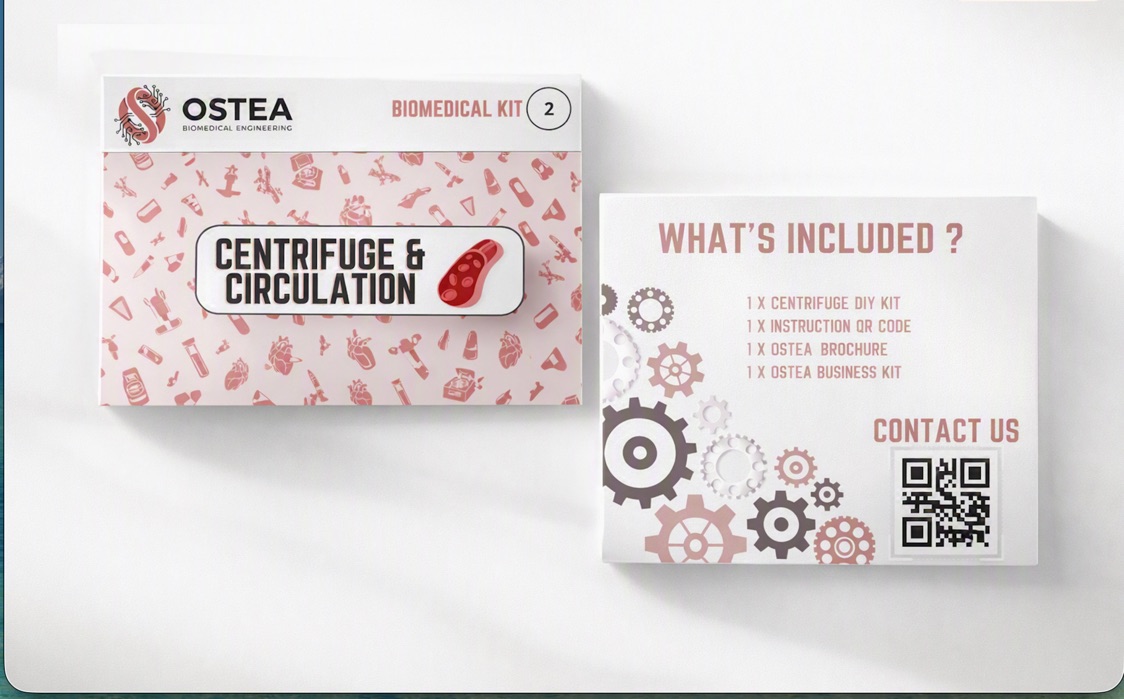
Blood looks like one thing. Spin it, and it becomes three.
Find out what blood is actually made of, how a centrifuge pulls it apart by density, and why that one spin sits behind half the tests in a modern lab.
What you'll learn
- What plasma, platelets, and red cells each do
- How spinning separates blood by density
- Why centrifuges matter in real diagnostics
What the spin does
What's in the box
Age-appropriate versions: 9–14 years
Register for pickup
Sign up and we'll email you when your kit is ready to collect.
Kits are local pickup only. We'll email you the location and timing once yours is ready.
Past kits
Missed a month? Every kit's lessons stay online for good. Here's what came before this one.
Cardiovascular circulation
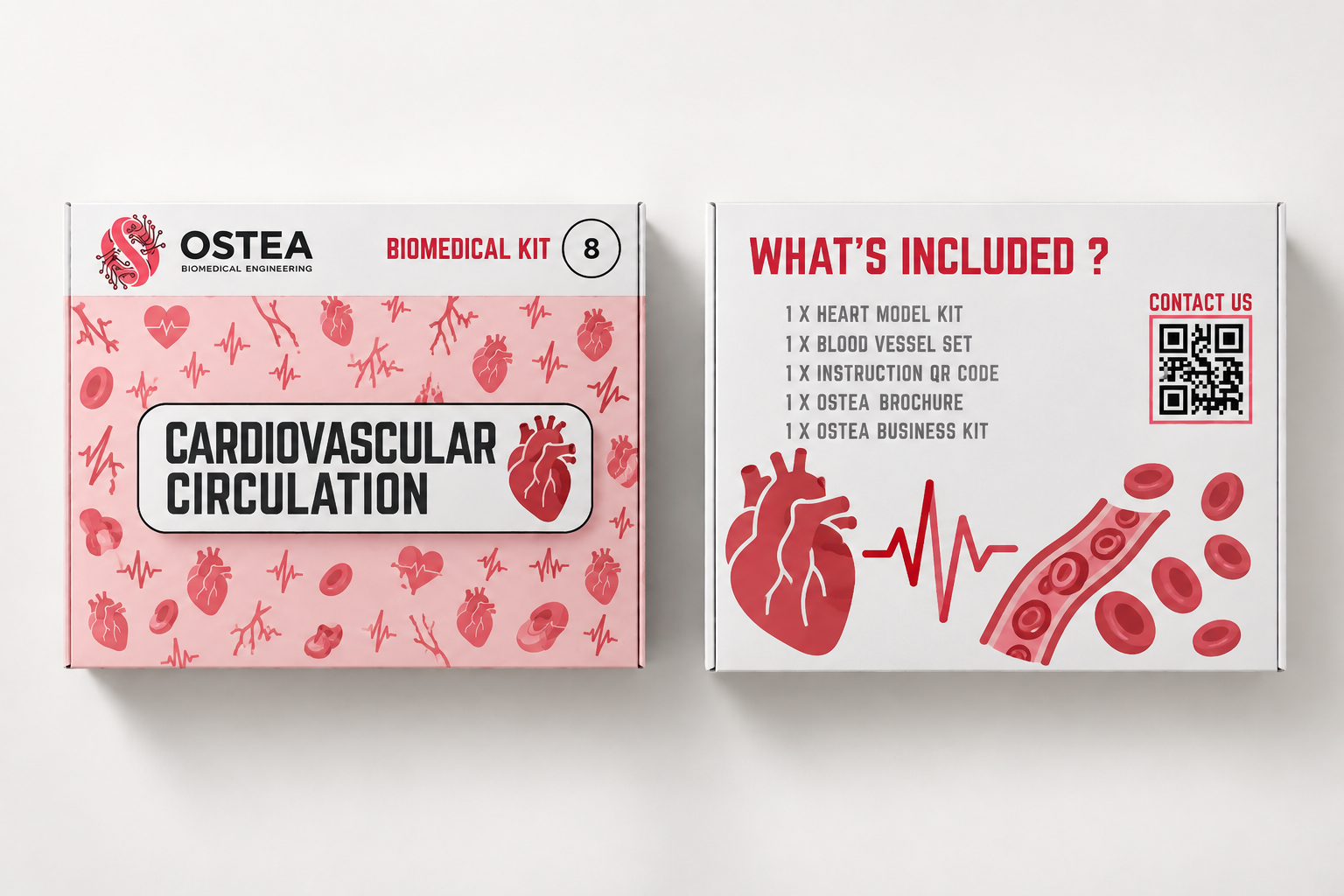
Your heart beats roughly 100,000 times a day. Where does all that blood go?
Every second, your cardiovascular system delivers oxygen and nutrients to tissues throughout your body. Explore the chambers, valves, and vessels that keep blood moving — and what happens when circulation is disrupted.
DNA model & replication
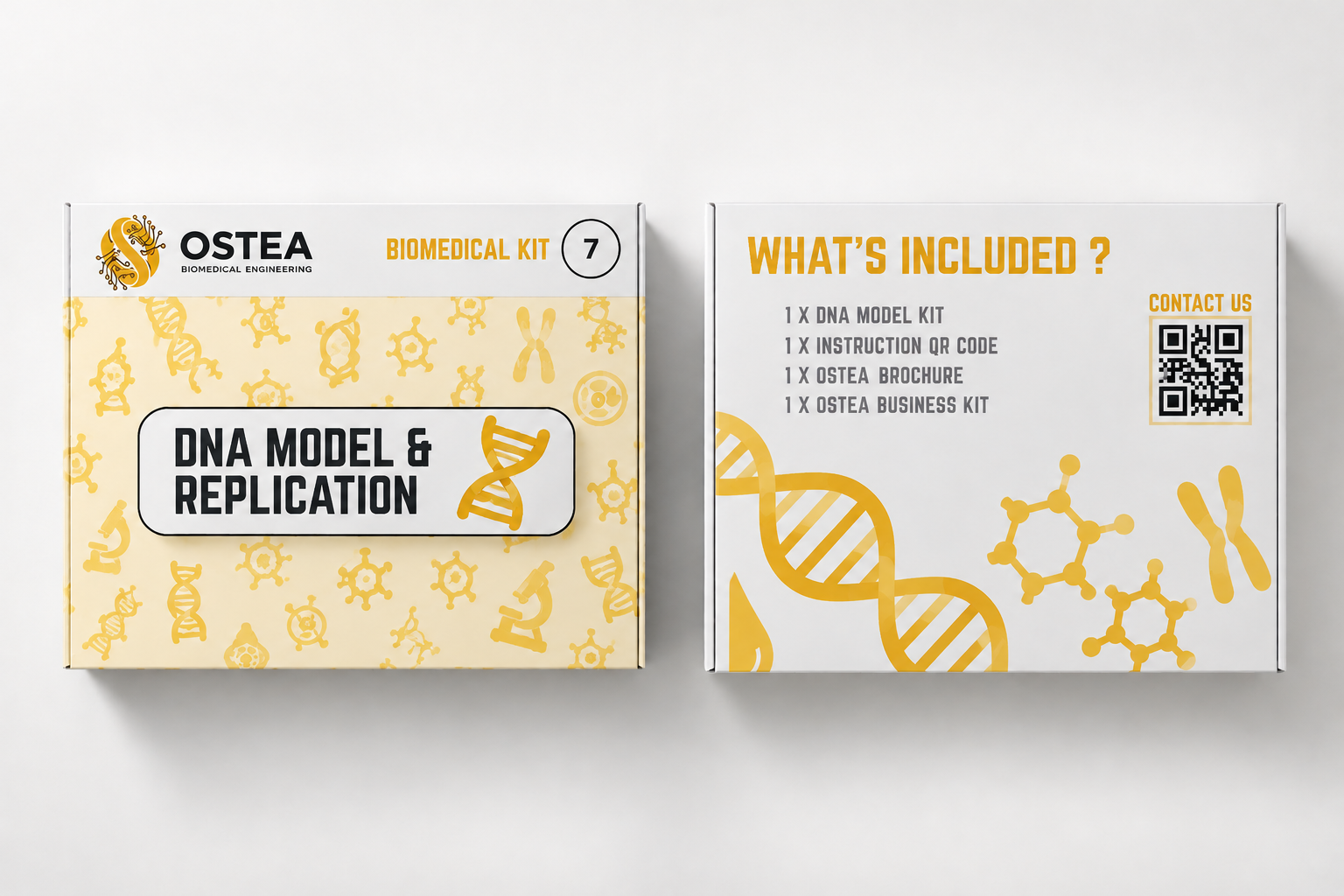
Nearly every cell in your body carries the same instruction manual. How does it get copied?
Before cells divide, they must duplicate billions of DNA building blocks with remarkable accuracy. Discover the double helix, build your own DNA molecule, and explore how cells copy genetic information.
Microfluidic diagnostics
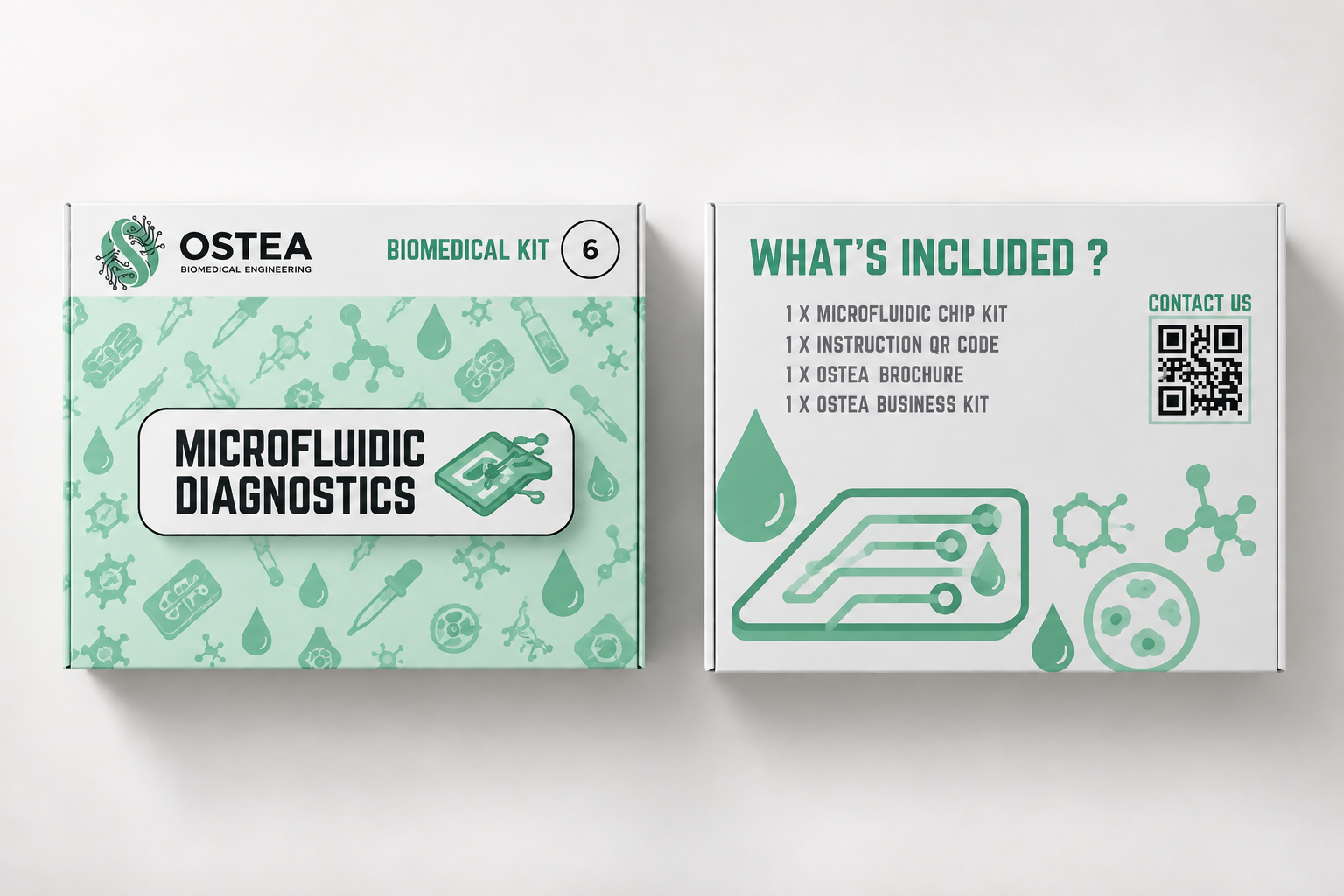
What if an entire medical laboratory could fit on a chip smaller than your thumb?
Microfluidics guides tiny amounts of liquid through miniature channels. Discover how engineers use these systems to mix, separate, and analyze fluids — and how they could make medical testing more accessible.
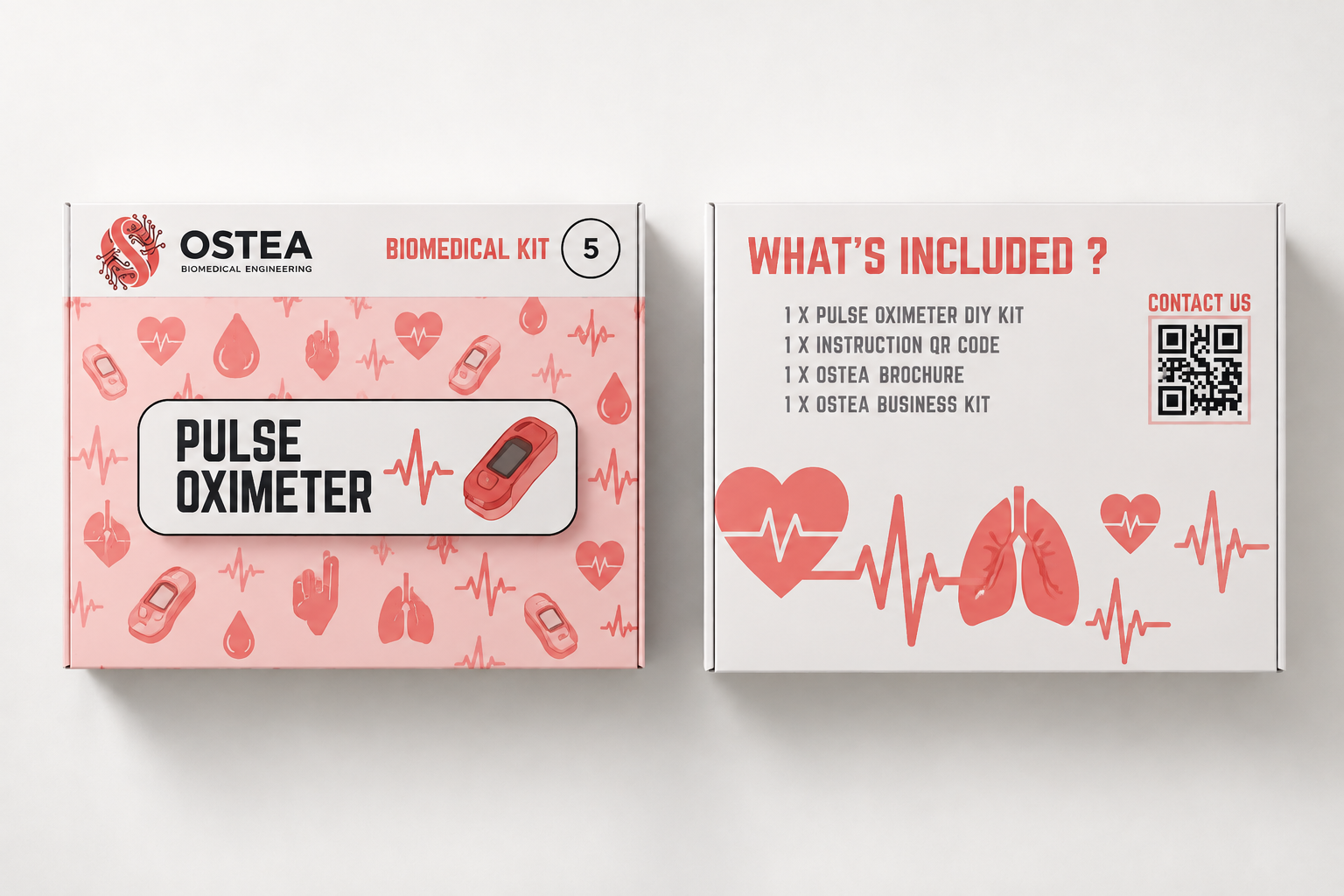
Pulse oximeter
How can a tiny light reveal what's happening inside your blood?
Clip a pulse oximeter onto your finger and within seconds it estimates blood oxygen saturation and pulse rate — without drawing a drop of blood. Explore how light, sensors, and hemoglobin make this possible.
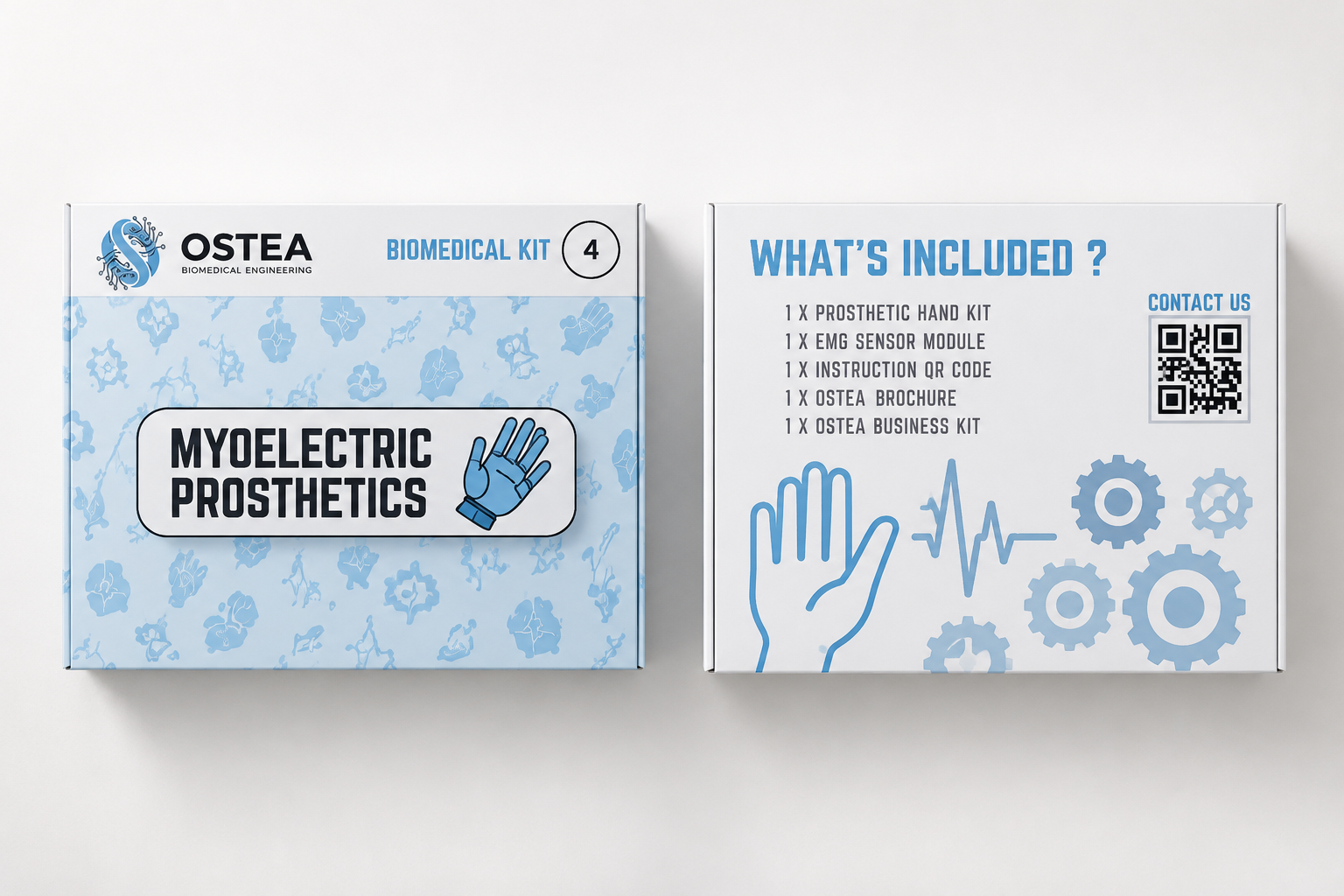
Myoelectric prosthetics
Your muscles speak in electricity. What if a robotic hand could listen?
Every time you move a finger, electrical signals activate your muscles. Engineers detect those signals and translate them into commands for prosthetic devices. Explore where biology, electronics, and engineering meet.
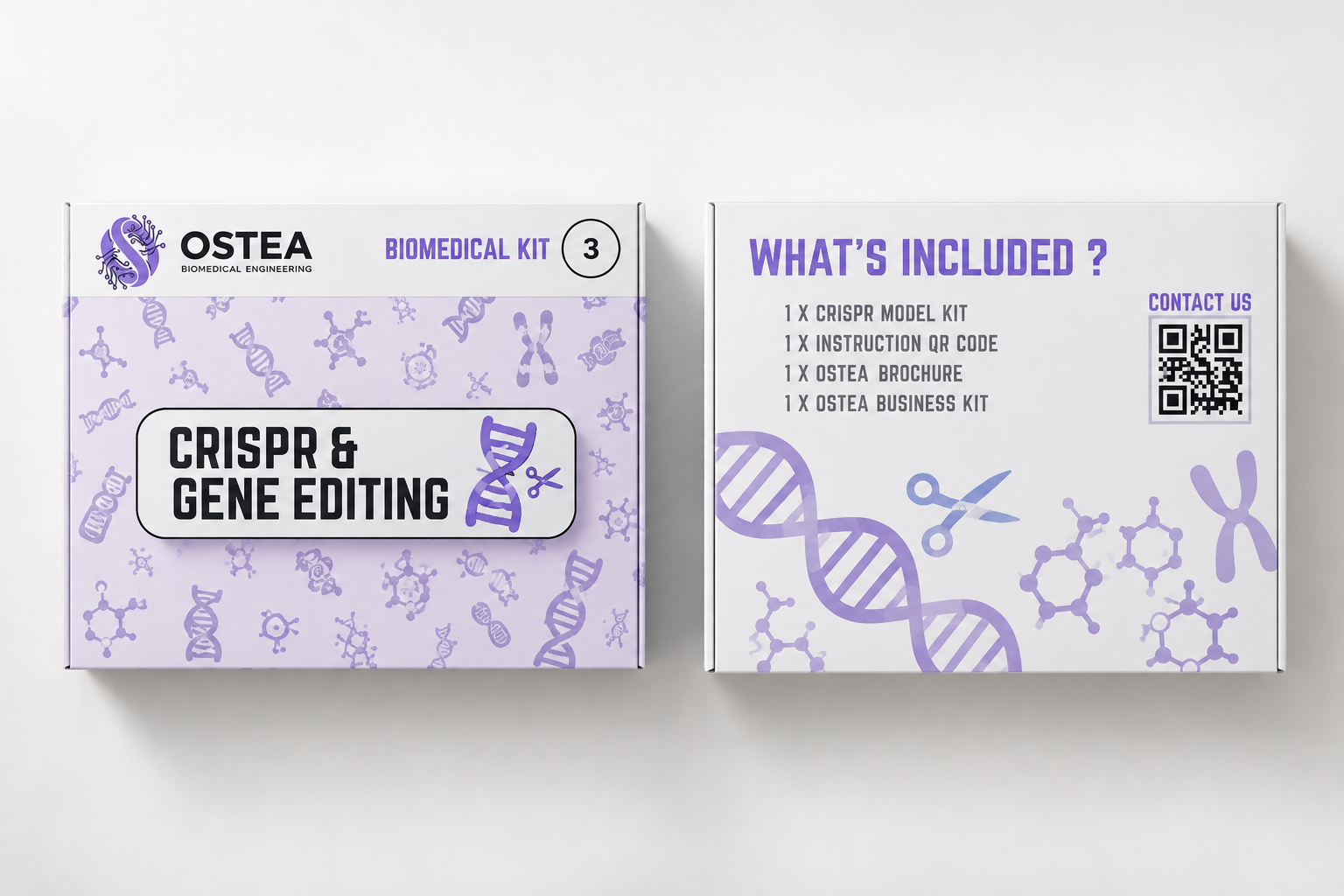
CRISPR & gene editing
What if you could find a typo in your DNA — and correct it?
Your DNA contains billions of letters that help determine how your body functions. Discover how CRISPR-Cas9 works like molecular scissors, letting scientists target specific DNA sequences and investigate ways to edit genes.
Prosthetics by design
Build a body-powered prosthetic hand and learn what makes a joint move.